

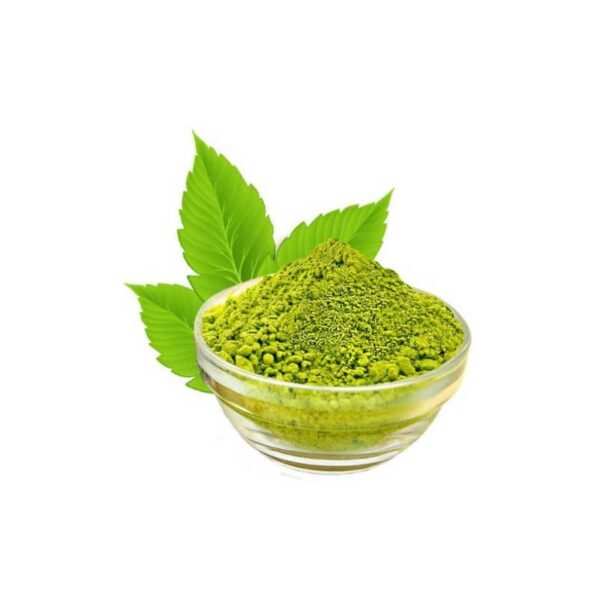
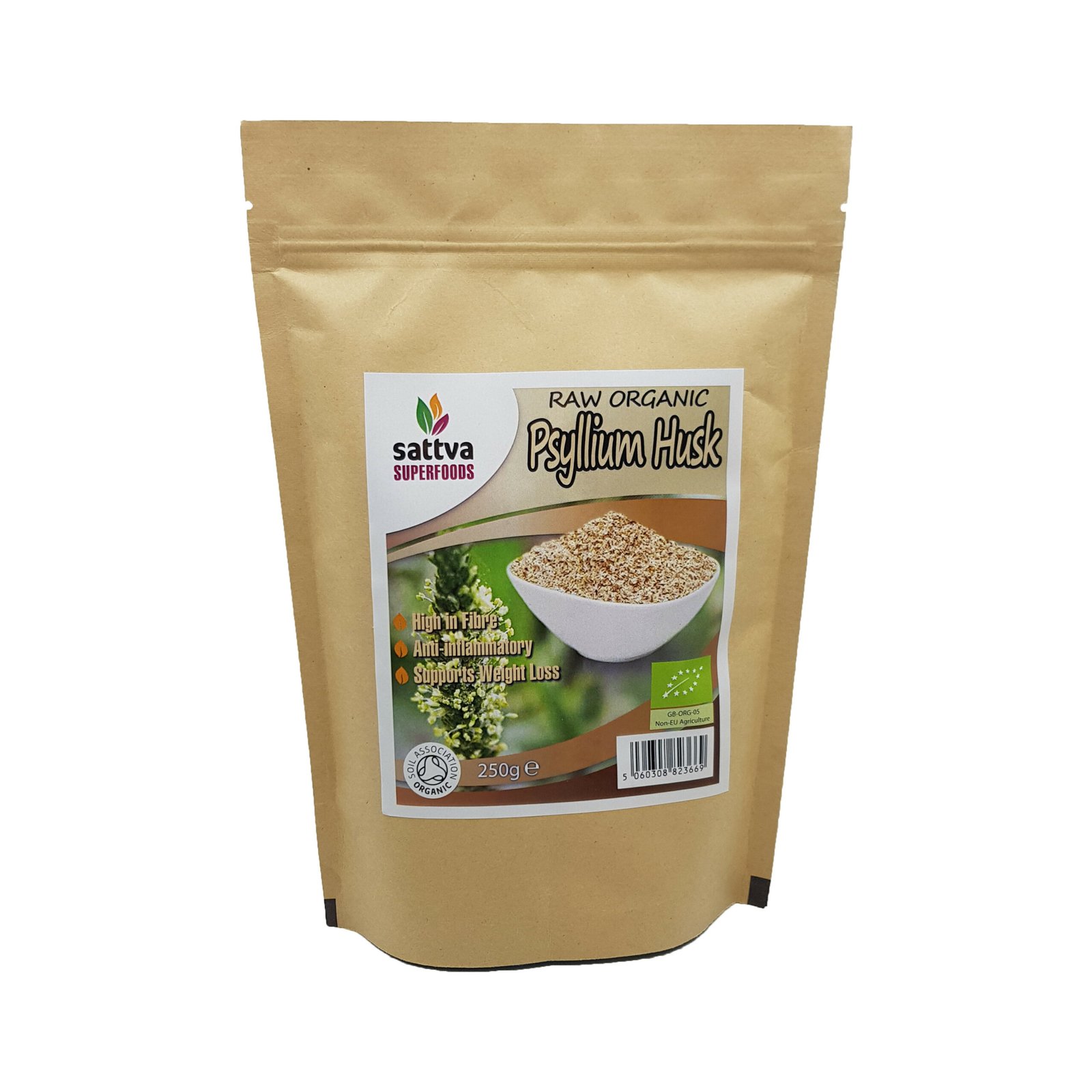
Neem powder comes with five thousand years of paperwork. Azadirachta indica — the neem tree — is one of Ayurveda’s foundational plants, its leaves woven through the tradition’s remedies and cosmetic preparations for as long as records exist. Sattva Superfoods supplies the classical form: 100% organic neem leaves, dried and powdered, 250 g, nothing else in the pack.
The village pharmacy tree
Across India, neem’s nickname needs no explanation — the tree by the house historically supplied leaf, twig and oil for uses spanning skin preparations, hair treatments and household tradition. The leaves are the gentlest and most-used part, considered safe across the tradition’s long history of ayurvedic and cosmetic formulation, and famous above all for their profound bitterness: in Ayurvedic taxonomy neem is the bitter herb, and the taste is inseparable from the reputation.
How neem powder gets used
- Face masks — the classic: a spoonful mixed with water, yoghurt or honey into a paste for oil-prone and blemish-prone skin traditions
- Hair and scalp packs — blended with water or oil and worked through before washing; the subcontinent’s oldest scalp ritual
- Traditional internal use — small amounts in water, honoured in Ayurveda; the bitterness is the initiation
- Garden duty — the tradition’s plant-care applications earn the powder a spot in organic gardeners’ sheds too
What’s in the pack
Organic neem leaf powder — the entire list. Certified organic cultivation, 250 g resealable pack, the same single-ingredient discipline as the rest of the Sattva Superfoods range.
Sensible use
For cosmetic use, patch-test any paste first as with all botanicals. For internal tradition, start small, respect the bitterness, and note the standard exclusions: not recommended during pregnancy, while trying to conceive, or while breastfeeding, and anyone on medication or managing a condition should involve their doctor. A traditional botanic deserves traditional respect.
Frequently asked questions
How bitter is bitter? Authoritatively — neem is the tradition’s benchmark bitter; masks smell herbal-green, and internal users mix small doses with honey for diplomacy.
Leaf powder vs neem oil? Different tools — the oil is a potent cosmetic concentrate; the leaf powder is the gentler, more versatile classical form.
Skin types? The tradition reaches for it most where oiliness is the complaint — dry skins prefer their masks with yoghurt and restraint.
The DIY beauty economics
A 250 g pouch of single-ingredient neem re-prices an entire shelf of “purifying” masks: a tablespoon per treatment puts the cost per mask in cents, with a recipe you authored and an ingredient list you can recite. The classic starter formula — neem, an equal spoon of yoghurt, a thread of honey, ten minutes, rinse — has survived centuries of subcontinental use because it needs no improvement, only patch-tested respect. Blend it with our own pantry’s neighbours — a pinch of turmeric where tradition suggests — and the bathroom cabinet starts resembling a spice rack, which is rather the Ayurvedic point.
Shelf life? Sealed, cool and dry, dried leaf powders hold their character comfortably past a year — the resealable pouch is doing the work.
Is the powder food-grade? Yes — organic leaf powder in the classical dual-use tradition; the exclusions above are the boundaries that matter.
Neem for pets or plants? Garden tradition says yes for plants; animal questions belong with the vet, not the pouch.
What does a mask session use? A tablespoon per face — the 250 g pouch prices out at months of weekly ritual with powder to spare for the hair pack.
Delivery in Malta & Gozo
€6 delivery, free over €40 across Malta and Gozo, or collection from St Paul’s Bay — alongside the rest of the Sattva Superfoods pantry.

Reviews
There are no reviews yet.