
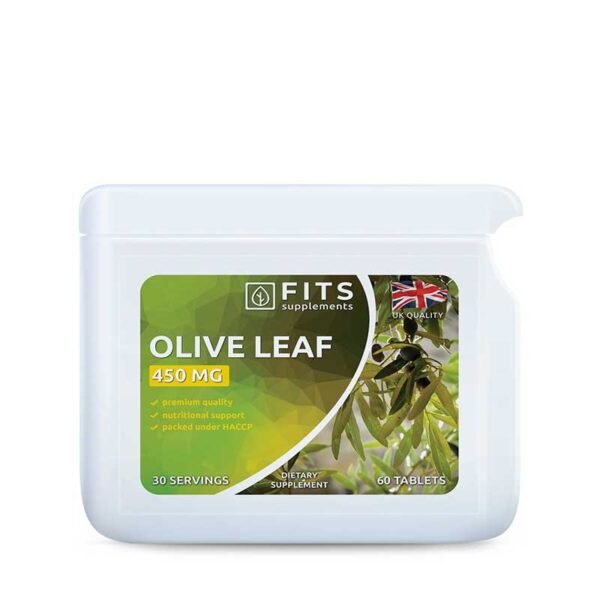
Fits – Olive Leaf 450 mg 60 tablets
Original price was: €16.75.€14.24Current price is: €14.24.
Olive leaf in 450 mg tablets, dry-pressed from the raw leaf.
- 450 mg olive leaf per tablet
- A traditional botanical supplement
- 60 tablets per pack
3 in stock
- Fast Malta & Gozo delivery — free over €40
- 14-day returns on unopened items
- Secure SSL checkout
Olive leaf is the Mediterranean’s most overlooked botanical — the same tree that gives the region its oil and its landscape has had its leaves picked, dried and brewed across Greek, Italian and North African tradition for centuries. Fits presses a standardised extract of it into tablets: 450 mg each, 900 mg per two-tablet daily serving, 60 to the pack.
The tree behind the tablet
Olea europaea needs no introduction on a Maltese page — the island’s groves are part of its furniture. What’s less known is the leaf’s own career: olive leaf preparations appear in Mediterranean folk practice going back centuries, prized in exactly the way hardy evergreen botanicals tend to be by the cultures that live among them. The modern tablet swaps the bitter home-brewed infusion for a standardised extract — same tradition, measured dose, none of the taste.
What standardised means here
Raw leaf material varies by grove, season and drying method; a standardised extract is processed to consistent strength, which is what allows the label to state 900 mg of extract per serving and mean the same thing in every pack. When comparing olive leaf products, that standardisation line — not the tablet count — is the number doing the work.
What’s in it
Olive leaf standardised extract with pressing agents (dicalcium phosphate, modified maize starch, polyvinylpyrrolidone, magnesium stearate) — declared plainly, as pressing agents should be. Free from declared allergens; vegetarian-friendly tablet format.
How to take it
Two tablets a day, per the label. Do not exceed the stated dose. If pregnant, breastfeeding, on blood-pressure or diabetes medication, or managing any condition, involve your doctor before adding botanical extracts — Mediterranean heritage is not an interactions waiver. Food supplements complement a varied, balanced diet.
Who reaches for olive leaf?
Mediterranean-tradition loyalists who like their botanicals native rather than exotic; herbal-rotation builders adding the region’s evergreen to shelves already carrying oregano and propolis; and the simply curious, drawn by a tree they walk past daily.
Frequently asked questions
Is this like drinking olive leaf tea? Same plant, measured differently — the extract standardises what the teapot leaves to chance, and spares you the famous bitterness.
Does it contain olive oil? No — leaf extract only; the fats stay with the fruit.
How long is a pack? Thirty days at the label dose — a clean monthly rhythm.
The native-botanical argument
There’s a quiet logic to supplementing from your own landscape: the herbs a region has lived alongside longest are the ones its food culture already knows how to respect. Malta’s relationship with the olive tree runs back past the Romans — the leaf extract simply formalises an acquaintance the island never lost. That’s also the honest limit of the pitch: heritage and standardisation, stated doses and declared excipients, no promises smuggled in behind the romance. If your supplement shelf leans exotic — mushrooms from East Asia, roots from the Andes — the olive leaf is the local candidate that never needed an import story.
Best time of day? The label sets none — with meals is the comfortable default, split morning and evening if you prefer.
Fresh leaves from my own tree instead? By all means brew them — but a home infusion can’t state its strength, which is the entire difference a standardised extract sells.
Pairs with? The Mediterranean shelf: oregano oil and propolis are its natural neighbours in the rotation.
Why tablets rather than capsules here? Extract density — pressing fits 450 mg where capsules would need bulkier shells; the declared pressing agents are the trade.
Delivery in Malta & Gozo
€6 delivery, free over €40 across Malta and Gozo, or collection from St Paul’s Bay.
| Brand |
|---|
Reviews
There are no reviews yet.