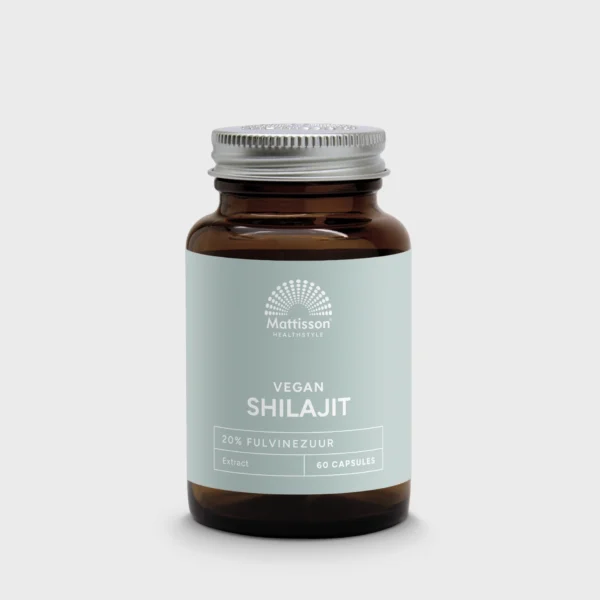

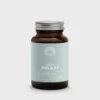
Mattisson – Vegan Shilajit 400 mg – 60 capsules
€23.95
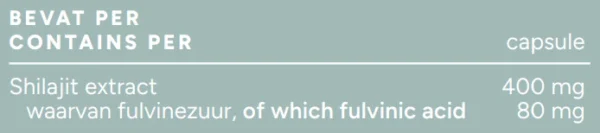
A potent 10:1 Shilajit extract from the Himalayas, standardised to 20% fulvic acid and 60% humic acid.
- Standardised, high-strength vegan extract
- Free from heavy metals and pesticides; non-GMO
- 60 capsules per pack
2 in stock
- Fast Malta & Gozo delivery — free over €40
- 14-day returns on unopened items
- Secure SSL checkout
Food supplements are not a substitute for a varied, balanced diet and a healthy lifestyle. Do not exceed the recommended daily dose. Keep out of reach of young children.
Shilajit is one of the strangest and most storied substances in the natural-products world: a dark, tar-like resin that seeps from rock faces high in the Himalayas, formed over centuries from compressed plant matter, and treasured in Ayurvedic tradition for as long as records exist. Mattisson tames it into something practical — a potent 10:1 extract, standardised to 20% fulvic acid and 60% humic acid, in clean vegan capsules of 400 mg.
What shilajit actually is
High in the mountains, plant material trapped in rock is slowly transformed by pressure, microbes and time into a mineral-rich resin — local names translate along the lines of “conqueror of rocks”. Raw shilajit resin is sticky, bitter and famously variable; the traditional preparation rituals existed precisely to deal with that. A standardised capsule extract is the modern solution: consistent content, no tar on your spoon, no guesswork about what the batch contains.
Why standardisation matters more here than almost anywhere
Shilajit’s market problem is authenticity — raw resins of wildly varying quality (and worse) trade on the name. Mattisson’s answer is specification: a 10:1 concentration standardised to 20% fulvic acid and 60% humic acid — the signature organic-acid complexes shilajit is characterised by — and testing that confirms it is free from heavy metals and pesticides. With a substance harvested from mountain rock, that heavy-metal testing line is not marketing; it is the entire ballgame.
What’s in each capsule
- 400 mg of 10:1 shilajit extract — equivalent to several grams of raw material
- Standardised: 20% fulvic acid, 60% humic acid
- Vegan capsules, non-GMO, 60 per pack — a two-month run at one a day
How to take it
Take as directed on the pack, with food, and do not exceed the recommended daily dose. Food supplements are not a substitute for a varied, balanced diet and a healthy lifestyle. If you are pregnant, breastfeeding, taking medication or managing a condition — particularly anything involving iron levels — speak with your doctor before adding shilajit. Keep out of reach of children.
Who buys shilajit?
Students of Ayurveda who want the classical rasayana in a form their kitchen can live with; the modern longevity-and-vitality crowd, who arrived via podcasts and stayed; and comparison shoppers who read three raw-resin horror stories and decided a tested, standardised, vegan capsule was worth the certainty. It sits naturally alongside the other adaptogenic traditions on our shelf — ashwagandha and Lion’s Mane being its usual companions in the basket.
Frequently asked questions
Capsules or raw resin? Capsules trade the ritual for consistency and testing — given shilajit’s authenticity problem, that’s a trade we’re comfortable recommending.
Is it really vegan? Yes — the extract is mineral-botanical in origin and the capsule shell is plant-based.
Morning or evening? Tradition and most modern users favour morning, with food; consistency outranks timing.
Reading a shilajit label like a sceptic
Three questions sort the serious products from the souvenir jars. Is the concentration stated? Here: 10:1, plainly. Are the marker compounds standardised? Here: 20% fulvic acid, 60% humic acid, on the label. Is it tested for heavy metals and pesticides? Here: yes, and stated outright — the question most raw-resin sellers hope you won’t ask. Any shilajit that can’t answer all three isn’t cheaper; it’s just untested. Two months per pack makes this an easy substance to evaluate properly: run it daily, keep the rest of the routine steady, and judge it like the traditionalists did — over seasons, not weekends.
Does it interact with iron supplements? Shilajit’s organic-acid complexes travel in mineral-rich company, which is exactly why we suggest the doctor conversation if iron is part of your medical picture — a two-minute question that buys certainty.
Delivery in Malta & Gozo
€6 delivery, free over €40 across Malta and Gozo, or collect at St Paul’s Bay.
| Brand |
|---|