
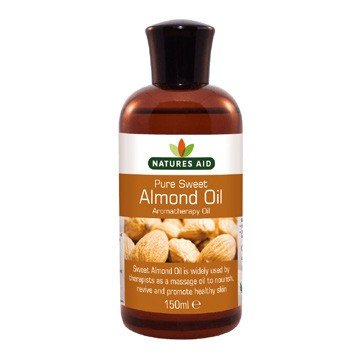
Natures Aid Almond Oil 150ml
€8.85
Natures Aid Almond Oil 150ml is pure sweet almond oil — the gentle, versatile classic of natural skincare. Softens skin, conditions hair and carries essential oils beautifully for massage. One ingredient, countless uses.
- Fast Malta & Gozo delivery — free over €40
- 14-day returns on unopened items
- Secure SSL checkout
Natures Aid Almond Oil 150ml is the kind of product natural skincare was built on: one pure ingredient with centuries of quiet service behind it. This natures aid almond oil is sweet almond oil — light, gently nourishing and remarkably versatile — pressed from the kernels that Mediterranean beauty tradition has trusted since antiquity for softening skin, conditioning hair and carrying fragrant essential oils in massage.
Natures Aid almond oil: the gentle classic of the shelf
Sweet almond oil earned its reputation by suiting almost everyone. It absorbs without heaviness, carries vitamin E and nourishing fatty acids including oleic and linoleic acid, and is mild enough that generations have used it on delicate and mature skin alike. Massage therapists keep it as their standard base oil for good reason: it glides well, resists going sticky and lets essential oil blends express themselves cleanly.
Key features
- Pure sweet almond oil in a practical 150ml bottle
- Light texture that absorbs without greasy residue
- Naturally contains vitamin E and nourishing fatty acids
- Ideal base oil for massage and essential oil blends
- Softens skin, conditions hair, tames dry cuticles
How to use
Smooth a few drops onto damp skin after bathing to seal in moisture, work through hair ends as a pre-wash conditioning treatment, or use generously as a massage base — alone or with your chosen essential oils. A patch test is sensible with any new oil.
Discover more natural skincare in our beauty and personal care range at Sattva Health Shop, or learn about the brand on the official Natures Aid website.
The oil’s versatility keeps revealing itself with use. Parents smooth it onto children’s dry patches after bath time; makeup wearers discover it dissolves even stubborn products gently when massaged on and wiped away with a warm cloth; gardeners and swimmers use it on weathered hands; and a few drops warmed between the palms and pressed onto the face makes a simple, effective overnight treatment for skin that Malta’s sun and sea air have left tight. Nail care may be its most underrated role — a nightly drop rubbed into cuticles transforms them within weeks.
Choosing a pure single-ingredient oil over a compounded lotion is a quiet philosophy as much as a purchase: no preservative system to consider, no fragrance to clash, nothing to interact with the essential oils you may add. Natures Aid has supplied British herbal and natural-care shelves for decades, and this bottle reflects that heritage — straightforward, honest and priced for daily rather than precious use. Those with tree-nut allergies should of course choose a different base oil. Store the bottle away from direct sunlight and heat to keep the oil fresh through its life, use it generously enough to actually see results, and let the simplest product on the shelf make its centuries-old case.
A small funnel and an amber glass bottle turn the 150ml into a dressing-table staple that looks as good as it works.
Some classics survive every trend for the simplest reason: they work.
One bottle, a dozen daily uses, and decades of trust behind every drop.
Delivered across Malta and Gozo
Order Natures Aid Almond Oil from Sattva Health Shop for prompt delivery anywhere in Malta and Gozo. Shop online today and keep the gentle classic within arm’s reach.
Reviews
There are no reviews yet.